Policy Presentation: Missouri School Rankings (Springfield)

Missouri schools are failing to teach the core subjects of reading and math, and the most recent test scores show that students are falling further behind. In response to the Missouri Department of Elementary and Secondary Education’s (DESE) failure to perform one of its most basic functions, the Show-Me Institute, in conjunction with Show-Me Opportunity, launched The Missouri School Rankings Project and MoSchoolRankings.org.

On December 1, Susan Pendergrass, director of research and education policy, will present her findings from the Missouri School Rankings Project and give an overview of how to use the website.

Register


Sponsored by Show-Me Institute and Show-Me Opportunity

Want Better Electricity Prices? Be More Like Illinois

One of the benefits of a cross-border rivalry is the ability to learn from your competitor (with Missouri sometimes learning the right lesson). Missouri could learn a thing or two from our neighbors to the east about lowering electricity prices.

Once upon a time (in 2008), Missouri had the lowest electricity prices in the Midwest at 6.84 cents per kilowatt hour, while our friends in Illinois paid the highest electricity prices in the region at 9.26 cents per kilowatt hour. (The Midwest is defined as Illinois, Indiana, Michigan, Ohio, Wisconsin, Iowa, Kansas, Minnesota, and Missouri.) Now, as of data from 2019 (the most recent data available), Illinoisans pay less than Missourians do (9.56 cents versus 9.68 cents) and have the second-lowest electricity prices in the Midwest, while Missouri’s electricity prices rose to the middle of the pack in the Midwest.

Moreover, when taking inflation into account, Illinois’ real electric prices decreased 13 percent, while Missouri’s increased by 19 percent—the third-fastest increase in the country between 2008 and 2019.

What gives?

The largest difference between electricity markets in Missouri and Illinois is that Illinois allows customers to choose between competing electric service providers, whereas Missouri still operates on a century-old monopoly model. In Illinois, customers have more than 150 electric service providers to choose from. Options for plans include fixed-rate, variable pricing, prepaid, or green energy plans. The pressures of competition ensure that electric providers operate more efficiently and are more responsive to customers.

In contrast, Missourians, wherever they live, have only one choice for an electric service provider—their government-sanctioned and regulated monopoly. Because there’s no competition, monopoly utilities don’t have an incentive to increase efficiency and don’t fear losing any business.

As the electricity price data above show, one of these systems has been working better, and it’s not Missouri’s. Lower electric prices mean households have more money left over for other needs. It also creates a more attractive environment for businesses. Missouri lawmakers can learn something from Illinois—pursuing competitive reforms to Missouri’s electricity market could be worthwhile.

Missouri’s New Gas Tax Hassle

If you’ve ever bought something that came with a mail-in rebate, the story of Missouri’s new gas tax refund should not sound too surprising. Missouri’s gas tax increased by 2.5 cents on October 1, but Missourians are being told they won’t have to pay the additional taxes as long as they file for a refund. The question is whether claiming the refund is ultimately worth the hassle.

Missourians interested in getting a gas tax refund should start saving their receipts immediately. Then, sometime between July 1 and September 30 of 2022, those seeking a refund will need to use the Missouri Department of Revenue (DOR) website to start the refund claiming process. Each claim will require:

  • The vehicle identification number of the vehicle into which the fuel was delivered;
  • The date of the fuel sale;
  • Names and addresses of the purchaser and seller;
  • The number of gallons purchased; and
  • The number of gallons purchased and charged Missouri fuel tax.

As of now, Missouri’s DOR hopes to have a new online system ready to allow taxpayers to file their refund claims electronically, but if it’s not ready, refund seekers will likely need to complete a slew of paper forms. Refund seekers who have their claims accepted should expect to receive their refund within 45 days. And while the claims will not initially require the submission of receipts, DOR may ask for them. In addition, the DOR stated receipts should be kept for three years for good measure.

Keep in mind that only the new 2.5 cent gas tax will be eligible for a refund. So, if for example, you purchase 100 gallons of fuel before next July, you would need to keep all your receipts until then (then another three years after), submit the required information in the prescribed three-month claim window, and then hopefully receive a check for $2.50 a month and a half later.

It remains to be seen how many Missourians will decide to take the state up on its offer, but the amount of effort required for such a meager return makes me skeptical many will follow through. Of course, if the state really wanted to make it easy for Missourians to claim refunds, it would have created an app to allow taxpayers to file claims immediately after purchase. But just like many mail-in rebate schemes, the program doesn’t seem designed to encourage people to actually claim the refund.

MoSchoolRankings.org launch, Sam Page Requests More Money and Who Will Pay for Flowers?

Find your school at MoSchoolRankings.org

Susan Pendergrass, David Stokes, and Corianna Baier join Zach Lawhorn to discuss the launch of The Missouri School Rankings Project and MoSchoolRankings.org, a report that Sam Page is asking the St. Louis County Council to use federal stimulus money to avoid budget cuts and the future of the downtown St. Louis Community Improvement District.

Listen on Apple Podcasts 

Listen on Sticher 

Listen on SoundCloud

LIHTC Pilot Finds Permanence

Missouri’s low-income housing tax credit (LIHTC) program is bad, but is it getting better? Earlier this year I wrote about a proposed pilot program that aimed to improve the program’s return on investment. After some apparent success, the Missouri Housing Development Commission (MHDC) recently decided to expand the pilot program and make it a permanent feature. Don’t get me wrong, I still think LIHTCs are a bad use of state tax dollars. But if Missouri’s elected officials are going to continue investing in the program, serious reform efforts cannot come soon enough.

As I’ve written before, the LIHTC program awards tax credits to housing developers to offset construction costs. In exchange, the developers are required to rent a fraction of their units to low-income tenants. Missouri’s program is a supplement to the federal LIHTC and has a long history of poor returns on investment. When Missouri’s version of LIHTC was revived last year after a three-year hiatus, LIHTC boosters promised reforms to address some of the program’s much-discussed shortcomings. This pilot program was one of those reforms.

The purpose of the pilot program is to increase the sales price of LIHTCs by allowing housing developers to claim them more quickly. One of the biggest problems with these credits is that they’re awarded to developers over ten years—but upon being rewarded, developers often immediately sell the credits to investors to raise the capital necessary to fund the project’s construction. When something is sold today that can’t be claimed for a decade, it has to be sold at a discount, in part because of the time value of money. In many cases, Missouri’s LIHTCs have sold for as little as forty cents on the dollar. This means is state taxpayers are basically guaranteed a bad return on investment, because the thing they’re paying $1 for is being immediately sold for less.

The new pilot program allowed 20 percent of the state’s approved projects to claim their credits more quickly over the first five years, and more slowly the final five. The total cost to state taxpayers remains the same, the value of the credits for investors is increased because of the time value of money. Initial reports suggest this change worked and increased the market value of each credit by roughly $0.10. However, if credits were previously selling for $0.40 and now are selling for $0.50, that still means taxpayers are still losing half of their investment immediately.

Going into next year, the number of projects eligible for this pilot will be bumped up to 50 percent. And with more projects receiving accelerated redemptions, that should mean more credits are sold for higher prices, which in turn could slightly improve the dismal return on investment for state taxpayers. Supporters of the pilot also say that higher sales prices will allow the MHDC to subsidize more projects, because each developer will request fewer credits. It remains to be seen whether these claims will hold true with additional years of data.

Make no mistake, I still think the LIHTC program is a bad deal for Missouri. It is truly remarkable that such a meager improvement in credit sale price is being celebrated as a big win for the troubled program, when taxpayers are still expected to lose so much of each credit sold.  Much more needs to be done before LIHTC even comes close to being considered a worthwhile investment for our state.

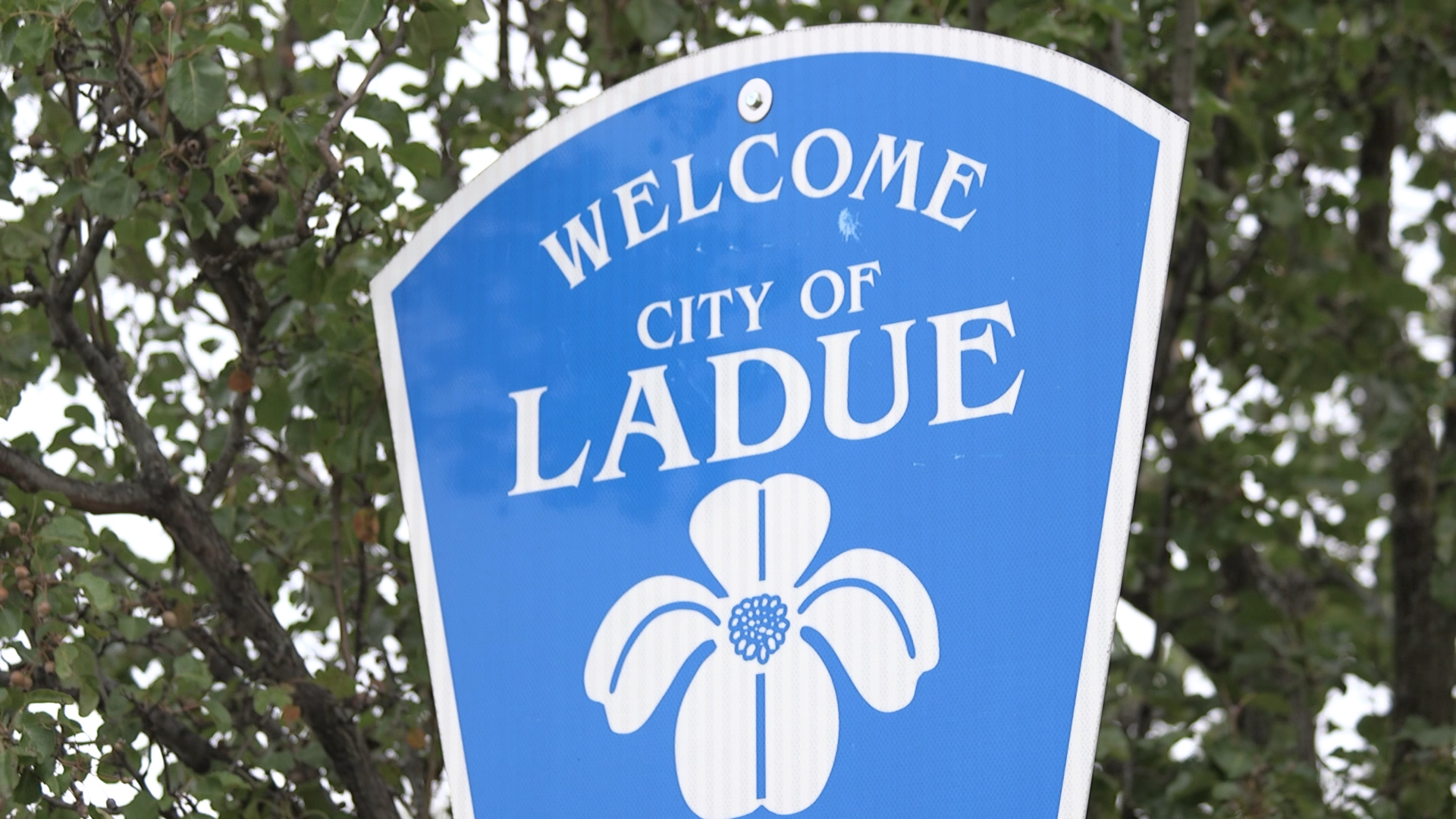
A Property Tax Increase for Ladue?

The City of Ladue is asking voters to approve a property tax increase on November 2. It costs money to run cities, and that money comes from taxes. While governments at all levels waste that tax money to varying degrees, sometimes it is necessary to increase certain taxes to fund necessary services. Ladue has been running significant deficits in recent years, both before and during the pandemic. To correct course, the city can either cut spending or raise taxes. It has proposed a 30-cent property tax increase per $100 of assessed valuation, an increase of almost fifty percent from the current 61 cents per $100. As this is a reassessment year in Missouri—and property values are increasing all over the country—I suspect supporters of the tax increase are hoping property tax bills don’t arrive in city mailboxes the day before the vote.

For a home with a market value of $1 million (of which there are many in Ladue), the 30-cent increase per $100 of assessed valuation would amount to a tax hike of $570. If similar recent proposals in neighboring cities are any guide, how Ladue voters will respond to this proposal is anyone’s guess. In August, voters in Frontenac approved a very large tax increase, while voters in Clayton rejected a much more modest one (18 cents per $100). In each case, turnout was light, as expected and (perhaps) intended.

The most interesting part of the proposed tax increase is that it’s only for residential property, not commercial. In other words, homeowners will pay it, but businesses won’t. Too often, governments try to export the costs of running their cities to outsiders with tourist taxes, sales taxes, special district taxes, and so on. The best thing you can say about this Ladue proposal is that it deals with property taxes that will be paid by the people who receive the public services. But don’t businesses also benefit from public services like police and fire protection? Of course they do. However, unlike both Frontenac and Clayton, where commercial property makes up a large part of the tax base, commercial property in Ladue is less than ten percent of the tax base. Including commercial property in this tax increase would not make that much of a difference in tax collections, but how voters react will be intriguing.

In Frontenac, the (voter-approved) tax increase actually targeted commercial property with especially large increases, while in Clayton the city proposed the same (voter-rejected) tax increase for each. What is the moral of the story? Voters apparently like targeting businesses to fund as much of their services as they can.

Does Ladue truly need this added money? As stated, the annual deficits Ladue has been running have been large, and that can’t continue. With most city funds going to public safety in recent years, cuts would have to come from police and fire protection. Ladue has very little crime and even fewer fires, but history has shown that people like having higher levels of police and fire protection than may be necessary.

Ladue has received over $900,000 in stimulus funds and will receive over a half-million more in the near future. This is on top of upcoming increases in local tax revenue from higher gas taxes and online sales tax collections passed in the state legislative session. (Ladue voters would have to pass a use tax, which they rejected in 2020, to collect all of the online sales taxes.) I don’t doubt that the cost of providing public services is increasing, but with the stimulus funds, increased property assessments, and other future taxes, do the people of Ladue really need to be hit with approximately $2.5 million in new taxes?

Residents, voters, and taxpayers (most people are all three, of course) generally like the high quality of services found in most St. Louis County suburbs, especially in the more prosperous cities like Ladue. But you can only ask for so much before people start saying “no.” People want quality services; they also like fair taxation and the idea that their cities aren’t just out to gouge them. One thing Ladue has a large number of is country clubs, and on election day, we will see how many voters in Ladue are yelling “Fore!” as they cast their votes.


St. Louis County Needs Federal Dollars to Stay Afloat

A recent article in the St. Louis Post-Dispatch reports that St. Louis County Executive Sam Page is asking the St. Louis County Council to use federal stimulus money to avoid budget cuts. Per the article, Page claims that $193 million from the American Rescue Plan Act will allow the county to avoid any cuts through 2024, but the county will have to find additional revenue sources to maintain current operations beyond that. My question is: Why can’t the county operate past 2024 without a $193 million boost from the federal government?

The county’s situation illustrates the point my colleague Elias Tsapelas and I made in our recent paper: Missouri local governments were not prepared for the economic downturn caused by the COVID-19 pandemic. Policy decisions can affect how damaging a downturn is and how difficult it is to recover. If county lawmakers had made different policy decisions, they may not have ended up needing federal dollars to stay afloat.

Relying less on sales taxes, which have a volatile revenue stream, would make the county’s total revenue stream more stable. (It should be noted that the county’s participation in the sales tax pool has already decreased some of the harmful effects of sales tax competition in the county). In addition, less misuse and abuse of tax subsidies would keep private developers from siphoning away taxpayer dollars. (More of this and less of this and this).

Of course, the COVID-19 pandemic did have undeniable effects on government finances. As predicted, revenues fell in 2020. St. Louis County’s sales tax revenue alone dropped by $27.2 million from fiscal year 2019 to fiscal year 2020. In addition, the county incurred new, pandemic-related costs. But county citizens are struggling too and “additional revenue sources” is code for tax increases. Page suggested that a property tax increase or implementing a use tax could be in the cards for St. Louis County. From a policy standpoint, a use tax is the preferred consideration, but it’s also worth keeping in mind that the county will receive more revenue from the gas tax increase. Why must a short-lived economic downturn force a tax increase on taxpayers?

I’m not here to judge how the county wants to use the stimulus money (but if I were, I would suggest the money be used in these ways). I’m here to point out that if the county had been more fiscally responsible prior to the economic downturn, we may have avoided this situation entirely. Policymakers should keep this in mind and prepare for inevitable downturns in the future.

If You Can’t Measure It, You Can’t Improve It

Some things are hard to face—the scale, your checking account balance—but ignoring them doesn’t make problems magically go away. The same can definitely said of education. Monitoring school performance and making the results available and easily understood by the public is critical. Because those in charge seem unwilling to do so, the Show-Me Institute has launched a website, MoSchoolRankings.org, on the performance of Missouri’s schools and districts.

The Missouri Department of Elementary and Secondary Education (DESE) is preparing to launch the 6th version of the Missouri School Improvement Plan (MSIP 6). Less than half of one page of the 22-page document discusses academic achievement in English/Language Arts and math. Like the earlier versions, districts will be labeled as unaccredited, provisionally accredited, accredited, and accredited with distinction. Schools will continue to receive no label.

What does “accredited” even mean? And what does accredited mean if 99 percent of school districts in the state are currently labeled as accredited? What does it mean to a St. Louis parent that their child goes to school in an accredited district—St. Louis Public Schools—but fewer than 10 percent of the students at their child’s school can read or do math at grade level?

Before the pandemic hit, in the 2018–19 school year, 49 percent of Missouri students scored Proficient or higher in English/Language Arts and 42 percent did so in Math. What does Proficient mean? Are those numbers high or low?

DESE’s website has report cards for every school and district in the state. But they are difficult to find, difficult to understand, and come with no context. The website also has a Data Dashboard for districts, but not for schools. DESE clearly doesn’t have the appetite to compare schools to each other or to give schools grades.

The Show-Me Institute has been talking about the deficiencies in DESE’s data reporting for some time. We have written papers, produced podcasts, and blogged about the need for easy-to-understand information on the performance of each school in Missouri. Parents, legislators, and citizens need this information. Unfortunately, MSIP 6 will likely be more opaque than MSIP 5 and the school report cards have not improved.

The Missouri School Rankings website that we are launching provides school-level and district-level performance information. This information was used to rank all schools and districts in the state. We have also assigned grades across 10 academic indicators. The grades for each school or district were combined into a grade point average (GPA), which was also put into rank order.

Not everyone is going to love seeing these grades. Some will say that we’re kicking low-performing schools when they’re already down from COVID. Some will claim that it’s mean spirited. We believe that information is the key to improvement. We welcome any discussion of what a better report card format for Missouri schools might be. We do not, however, support keeping Missouri families in the dark any longer.

Support Us

The work of the Show-Me Institute would not be possible without the generous support of people who are inspired by the vision of liberty and free enterprise. We hope you will join our efforts and become a Show-Me Institute sponsor.

Donate
Man on Horse Charging