Even Disney Magic Is Swayed by Tax Incentives

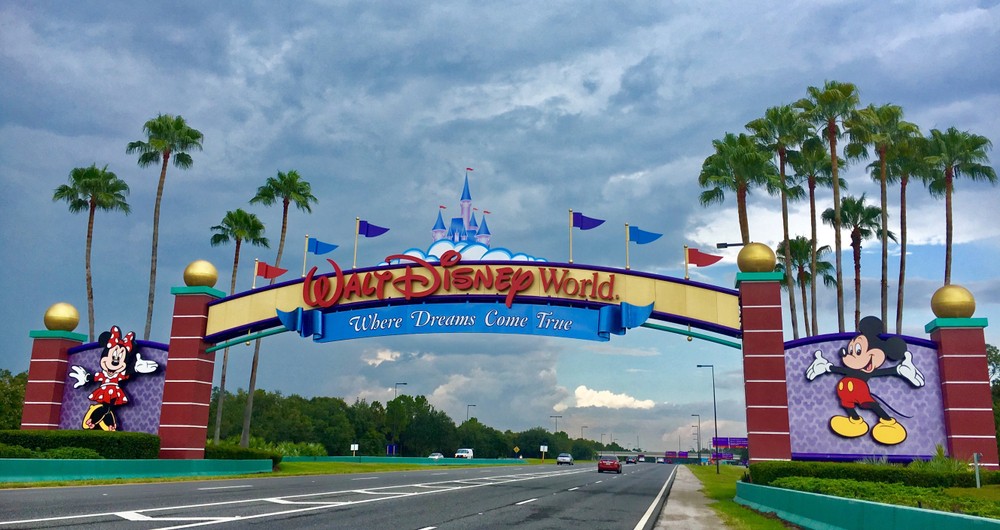
Missouri’s own Walt Disney and his Walt Disney Company may create theme parks that are the most magical places on Earth, but at its core, Disney is a for-profit company. Like other companies, it can be swayed by lawmakers offering tax incentives or tax breaks. Recently, Disney announced to around 2,000 workers that their jobs would be moving from California to Florida. The reason? The company gets tax breaks for moving these jobs to Florida that could save it about half a billion dollars.

Apparently, getting Disney to move a small chunk of its workforce to Lake Nona (a mixed-use development about 20 miles from Walt Disney World) is worth $570 million over 20 years—that’s what Disney is estimated to receive for this move. That’s a lot of money to pass up, so I can’t blame Disney for making the move. However, lawmakers are taking this money away from taxpayers, and they certainly deserve blame for that.

Clearly, Missouri is not the only state that seems to be addicted to handing out money to “help” large companies make decisions. Lawmakers across the country can’t wrap their heads around this important point: Giving away hard-earned tax dollars (or not collecting tax dollars) to manipulate the market and pick winners and losers is a bad idea. The research shows that the broader economy of an area does not benefit from these types of incentives—but the company certainly will.

Missouri and Missouri cities give out and forgo hundreds of millions of tax dollars annually. We’re not the only ones to do this, but we should be the ones to end it. Perhaps we will soon know the “magic” of actually using taxpayer dollars to provide public services to taxpayers.

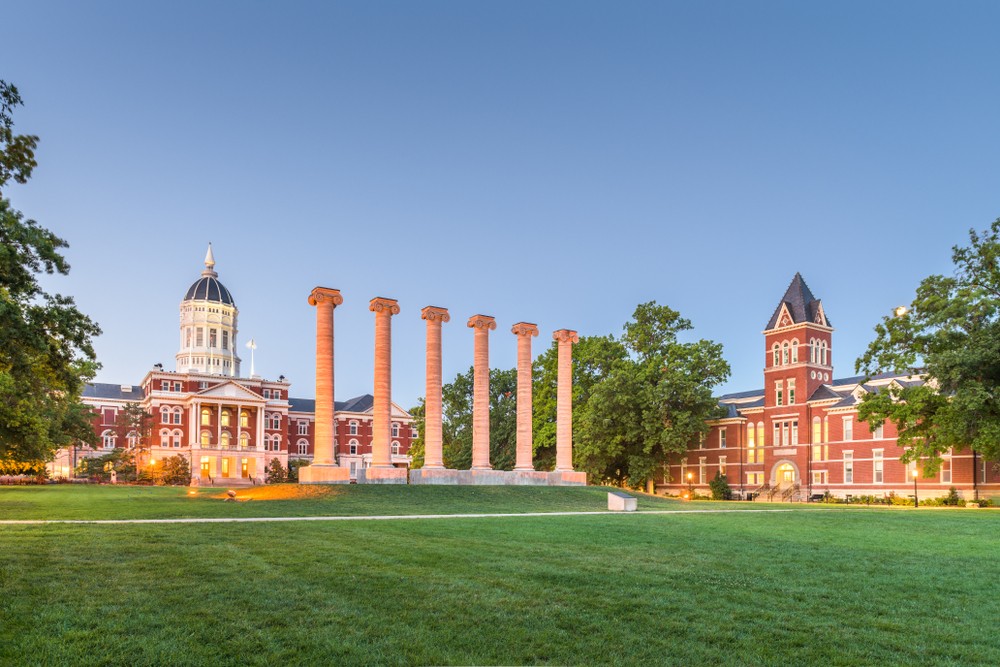
In-Person Legislative Update 2021 (Columbia)

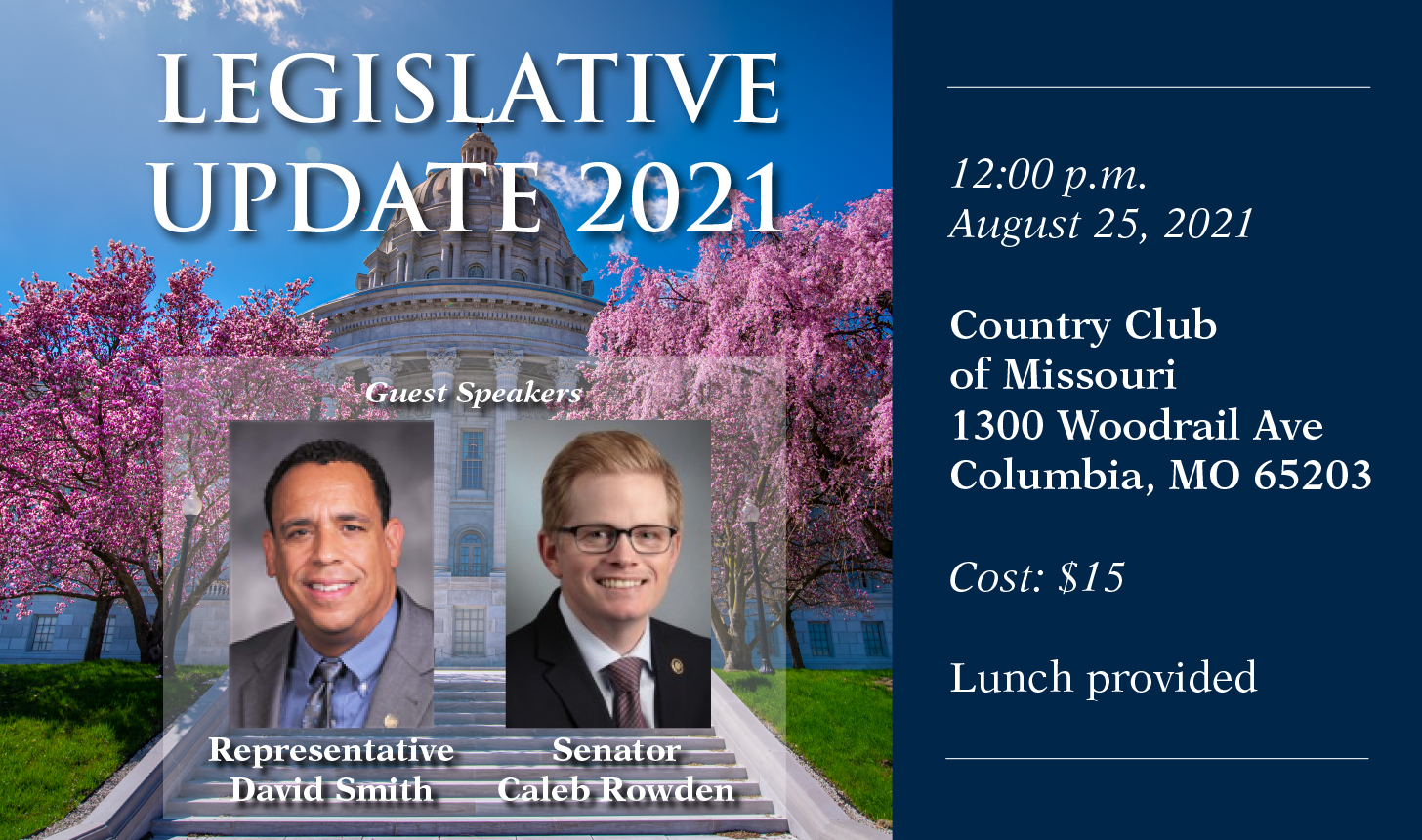
Please join us Wednesday, August 25 for a legislative update with Representative David Smith and Senator Caleb Rowden. Enjoy a delicious lunch while Rep. David Smith of the 45th District and Senator Caleb Rowden of the 19th District discuss the most recent legislative sessions in the Missouri House and Senate. Both will be available for questions following their presentations. Do not miss this chance to hear directly from your legislators!

Register Here

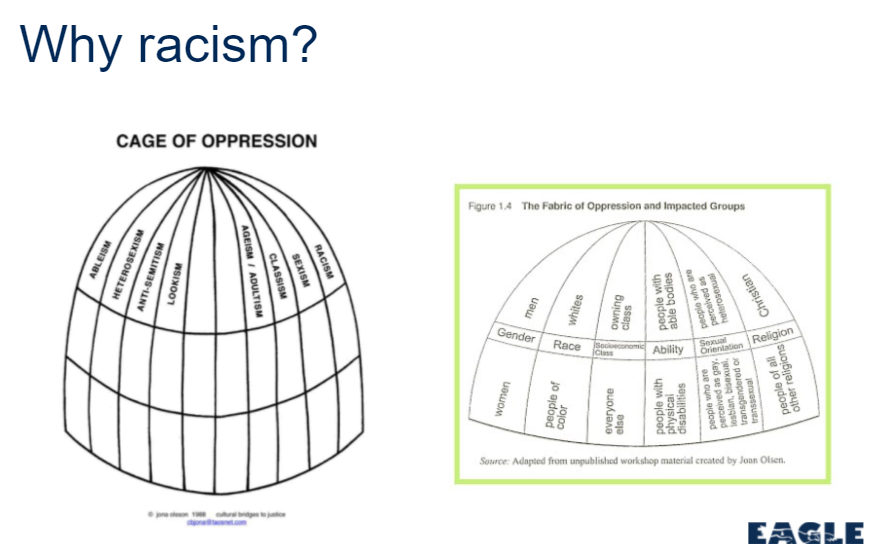
Wait, the Columbia Public School District Said What about Teaching the 1619 Project?

The 1619 Project will be taught in the Columbia Public School District (CPS) and the instruction is supported by a grant issued by the Pulitzer Center. I know this because I have the memorandum of understanding between the district and Pulitzer, which in relevant part includes a commitment from CPS to:

develop standards-aligned units that engage their students in The 1619 Project, and other journalism and historical sources, to strengthen connections to existing curricula, practice media literacy skills, and build empathy. At least two educators from each team will then implement units with at least two classes, evaluate student outcomes, and share their projects publicly through Pulitzer Center’s lesson library and virtual professional development programs. [Emphasis mine]

I talked about this on Gary Nolan’s program last Thursday. I wrote about it two weeks ago. There’s no ambiguity about what CPS is being paid to do and has agreed to do. So I don’t know what exactly to make of this story from the Columbia Daily Tribune published this past Sunday, which suggests the district has represented to parents that The 1619 Project won’t be in classrooms.

Because it will be.

Elements of The 1619 Project will be used by teachers in two elective courses for high school seniors in Columbia as part of the Pulitzer Center’s The 1619 Project Education Network, an official with the center said Friday.

The Columbia Board of Education recently approved an agreement with the Pulitzer Center for two teachers to participate in the network, but in statements since the approval, Columbia Public Schools spokeswoman Michelle Baumstark distanced the district from the agreement, asserting it won’t result in aspects of The 1619 Project being taught.

“We do not have CRT (Critical Race Theory) or 1619 curriculum or lessons in Columbia Public Schools,” Baumstark said Tuesday, while acknowledging that a small group of teachers were looking at the primary source materials for The 1619 Project. [Emphasis mine]

Since I don’t live in Columbia, I wasn’t initially aware of the district’s representations. The only reason I became aware of the story is because a supporter called and recommended the article to me. Suffice it to say, I’m perplexed by the district’s assertion, which may be most charitably described as a word and tense game. Columbia taxpayers and parents deserve transparency and good-faith disclosure about existing or future curriculum plans from the public officials whose salaries they fund.

Additional Opportunities in Occupational Licensing

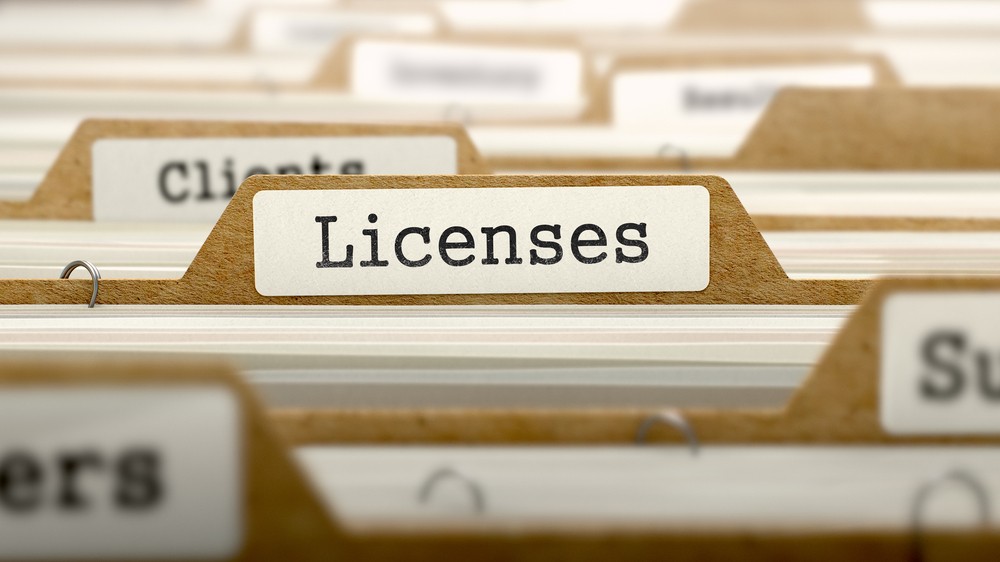
Occupational licensing has boomed in the last few decades. Today, one in three people needs an occupational license to work. In the 1950s, it was one in twenty. Missouri made big progress in reducing barriers to work by establishing occupational licensing reciprocity in 2020. This means that out-of-state licenses now qualify as licensure in Missouri. However, the legislature slowed down on occupational licensing reforms in the 2021 session. A few small (but meaningful, especially to those affected) changes were made, discussed here. Other states found various ways to reduce red tape for their workers, and Missouri lawmakers should take notes.

In Mississippi, eyebrow threaders, eyelash technicians, and makeup artists can now operate without an esthetician license. Niche occupations such as these often get lumped into a license for which the training and education requirements are overly broad and don’t relate to the specific occupation. Missouri lawmakers fixed one example of this problem this year—a shampooer no longer needs to be a fully licensed cosmetologist or barber. In the future, lawmakers should review occupational licenses to make sure other niche occupations are unfairly burdened by license regulations and standards.

Ohio will enter the Interstate Medical Licensure Compact this year (and the Nursing Licensure Compact, of which Missouri is already a member), allowing workers to move and work more freely between states. Though Missouri has universal licensing reciprocity, compacts such as these would make it easier for Missouri licensed workers to work in other states that may not have universal reciprocity, but are in the same compact.

South Carolina will soon allow licensed barbers to apply for a license to operate out of a mobile unit and Nebraska repealed locksmith registration requirements after a licensing review found many problems with the current state of locksmith registration. Both measures increase opportunities for workers and consumers, which can ultimately promote economic freedom and growth in these states.

Missouri has another chance to do right by its workers next year. Though lawmakers have taken steps to curb the negative effects of occupational licensing, that forward momentum should continue. Missouri could create opportunities for workers and consumers and spur economic growth by ensuring niche occupations are free from broad licensing requirements, participating in interstate licensing compacts, and eliminating overly burdensome and ineffective licenses and restrictions. Using other states as a guide, we should pursue similar occupational licensing reforms next year.

Support Us

The work of the Show-Me Institute would not be possible without the generous support of people who are inspired by the vision of liberty and free enterprise. We hope you will join our efforts and become a Show-Me Institute sponsor.

Donate
Man on Horse Charging