• Publications and Model Policy
    • Blueprint for Missouri
    • Model Policy
    • Report
      • Case Study
      • Policy Study
      • Essay
    • The Missouri School Rankings Project
    • Testimony
    • Newsletter
  • Blog
    • Daily Blog
    • Podcasts and Radio
    • Video
    • Infographics
    • Commentary / Op-Eds
    • Events
  • Events
  • Donate
  • About
    • Our Team
    • Board of Directors
    • Fellows and Scholars
    • Authors
    • Jobs
  • Contact
  • Explore Topics
    • Education
      • Accountability
      • Education Finance
      • Performance
      • School Choice
      • The Missouri School Rankings Project
    • Health Care
      • Free-Market Reform
      • Medicaid
    • Corporate Welfare
      • Special Taxing Districts
      • Subsidies
      • Tax Credits
    • Labor
      • Government Unions
      • Public Pensions
    • State and Local Government
      • Budget and Spending
      • Courts
      • Criminal Justice
      • Municipal Policy
      • Property Rights
      • Transparency
      • Transportation
    • Economy
      • Business Climate
      • Energy
      • Minimum Wage
      • Privatization
      • Regulation
      • Taxes
      • Welfare
      • Workforce
Show-Me InstituteShow-Me Institute
Support the Show-Me Institute
  • Publications and Model Policy
    • Blueprint for Missouri
    • Model Policy
    • Report
      • Case Study
      • Policy Study
      • Essay
    • The Missouri School Rankings Project
    • Testimony
    • Newsletter
  • Blog
    • Daily Blog
    • Podcasts and Radio
    • Video
    • Infographics
    • Commentary / Op-Eds
    • Events
  • Events
  • Donate
  • About
    • Our Team
    • Board of Directors
    • Fellows and Scholars
    • Authors
    • Jobs
  • Contact
  • Explore Topics
    • Education
      • Accountability
      • Education Finance
      • Performance
      • School Choice
      • The Missouri School Rankings Project
    • Health Care
      • Free-Market Reform
      • Medicaid
    • Corporate Welfare
      • Special Taxing Districts
      • Subsidies
      • Tax Credits
    • Labor
      • Government Unions
      • Public Pensions
    • State and Local Government
      • Budget and Spending
      • Courts
      • Criminal Justice
      • Municipal Policy
      • Property Rights
      • Transparency
      • Transportation
    • Economy
      • Business Climate
      • Energy
      • Minimum Wage
      • Privatization
      • Regulation
      • Taxes
      • Welfare
      • Workforce
×

Corporate Welfare

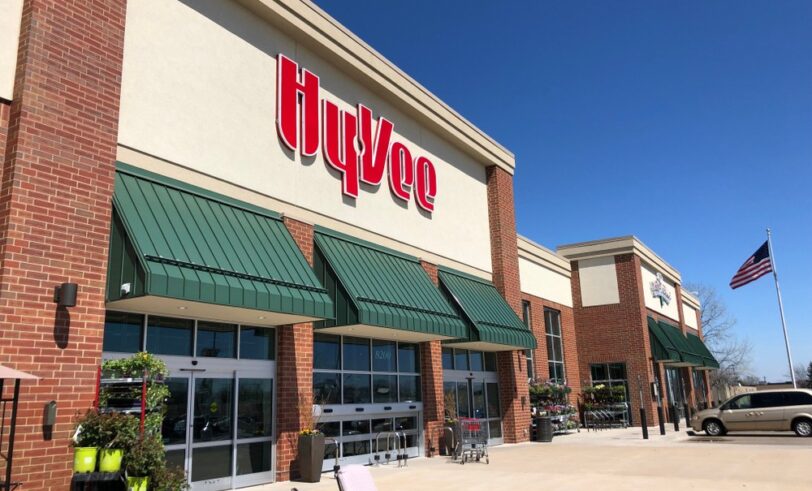
Hy-Vee Wants to Give the Heave-Ho to a CID

By David Stokes on Aug 28, 2025
Hy-Vee, tax subsidies, special taxing districts, TDDs, CIDs
melissamn / Shutterstock

The grocery chain Hy-Vee is suing the city of Lee’s Summit over the creation of a Community Improvement District (CID). Good for the company for fighting back against these special taxing districts and their abuses. In this case, the abuse is including Hy-Vee in the district at all. The store did not want to be included in the district, but Lee’s Summit and the developers included it anyway. Hy-Vee contends that it was included against its will because a large grocery store generates an enormous amount of sales taxes that the board of the new CID district wants. (I am not going to give the CID board any credit by writing “needs”; I’m going with “wants.”) Is Hy-Vee correct?

Almost certainly. (And I’m only adding the “almost” because it is being litigated over and you never know how it will turn out.)

This isn’t the first time grocery stores have been targeted by special taxing districts simply because developers want the significant money they generate. In Wentzville, a Schnucks store was forcibly included in a CID that was used to help fund a Walmart development. If that sounds insane, it is. One grocery company, Schnucks, was forced to levy a special tax against its will to benefit one of its main competitors.

In St. Louis, an existing CID board tried to expand the CID’s boundaries to include another  Schnucks, primarily to get access to all of the money it generated. Schnucks opposed that one, too, and good for the company. As the company explained in a letter to elected officials:

It is our position that addressing the problem goes beyond additional cleaning, and we would encourage the City to tap into funds available to address these issues, rather than institute an additional tax on citizens who are buying their needed groceries for their families.

Grocery stores are not large ATMs with food in them that special taxing districts can extort whenever they feel like it. Good for Hy-Vee for fighting back in Lee’s Summit, and good for Schnucks to have opposed these ideas previously. Special taxing districts like CIDs and TDDs are, in the vast majority of cases, nothing more than vehicles for corporate welfare. They are bad enough even when all the property owners agree. But compelling grocery chains to participate in them against the will of the stores is just the sour cherry on top.

Topics on this page
St. LouisWalmartCityWentzvilleLee's SummitSchnucks
More
  • Share
  • Tweet
  • Share
  • Email
  • Print
About the author

David Stokes

Director of Municipal Policy

More about this author >
Footer Logo
Support the Show-Me-Institute
Showmeinstitute.org is brought to you by Show-Me Institute and Show-Me Opportunity.
  • Publications
  • Blog
  • Events
  • Donate
  • About
  • Contact

Reprint permission for Show-Me Institute publications and commentaries is hereby granted, provided that proper credit is given to the author. We request, but do not require, that those who reprint our material notify us of publication for our records: [email protected].

Mission Statement
Advancing liberty with responsibility by promoting market solutions for Missouri public policy.

© Copyright 2025 All Rights Reserved