• Publications and Model Policy
    • Blueprint for Missouri
    • Model Policy
    • Report
      • Case Study
      • Policy Study
      • Essay
    • The Missouri School Rankings Project
    • Testimony
    • Newsletter
  • Blog
    • Daily Blog
    • Podcasts and Radio
    • Video
    • Infographics
    • Commentary / Op-Eds
    • Events
  • Events
  • Donate
  • About
    • Our Team
    • Board of Directors
    • Fellows and Scholars
    • Authors
    • Jobs
  • Contact
  • Explore Topics
    • Education
      • Accountability
      • Education Finance
      • Performance
      • School Choice
      • The Missouri School Rankings Project
    • Health Care
      • Free-Market Reform
      • Medicaid
    • Corporate Welfare
      • Special Taxing Districts
      • Subsidies
      • Tax Credits
    • Labor
      • Government Unions
      • Public Pensions
    • State and Local Government
      • Budget and Spending
      • Courts
      • Criminal Justice
      • Municipal Policy
      • Property Rights
      • Transparency
      • Transportation
    • Economy
      • Business Climate
      • Energy
      • Minimum Wage
      • Privatization
      • Regulation
      • Taxes
      • Welfare
      • Workforce
Show-Me InstituteShow-Me Institute
Support the Show-Me Institute
  • Publications and Model Policy
    • Blueprint for Missouri
    • Model Policy
    • Report
      • Case Study
      • Policy Study
      • Essay
    • The Missouri School Rankings Project
    • Testimony
    • Newsletter
  • Blog
    • Daily Blog
    • Podcasts and Radio
    • Video
    • Infographics
    • Commentary / Op-Eds
    • Events
  • Events
  • Donate
  • About
    • Our Team
    • Board of Directors
    • Fellows and Scholars
    • Authors
    • Jobs
  • Contact
  • Explore Topics
    • Education
      • Accountability
      • Education Finance
      • Performance
      • School Choice
      • The Missouri School Rankings Project
    • Health Care
      • Free-Market Reform
      • Medicaid
    • Corporate Welfare
      • Special Taxing Districts
      • Subsidies
      • Tax Credits
    • Labor
      • Government Unions
      • Public Pensions
    • State and Local Government
      • Budget and Spending
      • Courts
      • Criminal Justice
      • Municipal Policy
      • Property Rights
      • Transparency
      • Transportation
    • Economy
      • Business Climate
      • Energy
      • Minimum Wage
      • Privatization
      • Regulation
      • Taxes
      • Welfare
      • Workforce
×

State and Local Government

Driver Privacy and Electronic Tolling

By Jakob Puckett on Oct 29, 2020
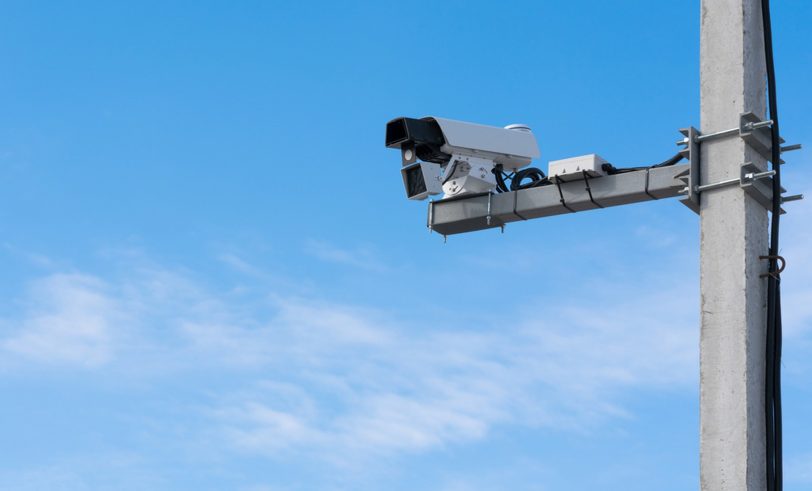
Traffic camera
Rauf_Karimov / Shutterstock

My recent posts have explored ways to connect paying for road maintenance with the damage drivers’ vehicles inflict upon roads (rather than with the amount and type of fuel those vehicles consume). Having covered odometer readings and GPS tracking, I’ll turn now to tolling.

Modern tolling is electronic rather than using traditional stop-and-go toll booths. Drivers have transponders that send a signal that is picked up at certain checkpoints along the road. Payments can either be deducted from an online account with the tolling organization, or drivers can receive a bill in the mail. For drivers without a transponder, license plate photos direct the tolling organization—whether state-run or private—where to mail the bill.

Electronic tolling is widely employed in several states, and each new state that adopts the technology benefits from the years of experience gained by the others. Missouri would not have to reinvent the wheel should tolling be adopted here.

The main privacy concern with electronic tolling is whether transponders remain active outside of toll roads on which they are meant to be used—as could happen if the state transportation department wanted to use the transponders to collect traffic flow data (for example, to inform decisions about adding lanes in congested areas).

One method by which states have attempted to mitigate this concern is by allowing anonymous transponder accounts, where data is stripped of personal information and reported by an internal account number. Again, though, drivers who aren’t comfortable with having a transponder in their car could still have bills sent to them via mail based on their license plate.

Ultimately, the current fuel tax system of funding road maintenance is becoming less viable, as the increasing popularity of electronic vehicles renders fuel taxes less effective and more unfair. Policymakers can begin the transition to road-usage charges, but this will require balancing the efficiency and accuracy of various measurement options while also respecting the privacy of motorists.

Topics on this page
Missouri
  • Share
  • Tweet
  • Share
  • Email
  • Print
About the author

Jakob Puckett

Analyst

More about this author >
Footer Logo
Support the Show-Me-Institute
Showmeinstitute.org is brought to you by Show-Me Institute and Show-Me Opportunity.
  • Publications
  • Blog
  • Events
  • Donate
  • About
  • Contact

Reprint permission for Show-Me Institute publications and commentaries is hereby granted, provided that proper credit is given to the author. We request, but do not require, that those who reprint our material notify us of publication for our records: [email protected].

Mission Statement
Advancing liberty with responsibility by promoting market solutions for Missouri public policy.

© Copyright 2025 All Rights Reserved