Two recent stories out of St. Louis County have demonstrated why we need zoning reform in Missouri. In my most recent report from the free-market municipality series, I discussed how the St. Louis metro area has the least strict zoning rules of any region in the country. That is wonderful, but these rules should still be liberalized further to protect property rights and increase economic and homeownership opportunities. (Kansas City’s metro area rank is in the middle, but if you break out the zoning strictness for the Missouri-side municipalities only, it gets much closer to St. Louis’s rank.)
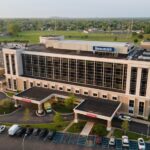
The first zoning example is in Des Peres, where the owners of a wellness and substance-abuse treatment center want to operate on the site of a recently closed hospital. Let’s repeat that. A healthcare-related business wants to open on the site of a former hospital. In a rational world, the City of Des Peres would do nothing more than say, “Welcome to Des Peres.” But, alas, nothing is ever easy. The Des Peres Board of Adjustment has decided that a wellness and treatment center is not a hospital and denied the application and permits to operate. Furthermore, city officials have said the company seeking the approval cannot appeal the decision, as it doesn’t own the property yet. The company can appeal once it finalizes the purchase of the property, but then it will be forced to make a very large investment in the site without having any idea if it will be allowed to use it after purchase. This is, of course, all completely insane.
I am not adamantly anti-zoning. Nobody here is trying to put a chemical factory into a neighborhood (or some similar hyperbolic example anti-growth NIMBYs usually make). This is a wellness and treatment center that will be located where a hospital was. The fact that the city can deny any part of this is absurd.
The other zoning example is nearby on the border of Chesterfield and Wildwood. Here, a small, tightly knit African-American community has lived for over a century, and the land has become very valuable over recent decades as the suburbs have expanded. The family that owns most of the land wants to sell its largely undeveloped property and build a lot of new, large homes there, which is exactly what has happened in the surrounding area for the past 40 years. Not so fast . . .
Among the many impediments the family is facing is the opposition of neighbors. Here is a great quote from the public hearing by an opponent of the zoning change to allow the redevelopment:
“This would certainly be a substantial change to the character of this entire area,” resident Chrissy Jurkiewicz told the city council at its Dec. 1 meeting. “The landscape would be forever altered.”
Come again? What does the speaker think happened 20 or so years ago when her own subdivision was built? Did her own house and all of her neighbors’ homes somehow not “forever alter the landscape?” Did Osage Indians roam the area in the early 1800s and see a bunch of empty houses in her neighborhood and wonder why nobody lived in them?
A while ago, the City of Chesterfield approved rezoning to redevelop the property, but the City of Wildwood (remember, it’s on the border) rejected the rezoning precisely because the Chesterfield change was “too permissive” and would “overdevelop” the land. The entire area has changed from farmland to subdivisions over the past 50 years, but a bunch of Wildwood officials who live in those new subdivisions get to tell this family that their sale would “overdevelop” the land. This is infuriating, and it’s denying this family the right to the prosperity it has earned.
Does this mean cities should have no say at all in these zoning changes and redevelopments? No. For instance, in the Chesterfield case, I think the nearby residents have legitimate concerns about water runoff if the higher land above them were to be developed. But that’s not a reason to deny the proposal; that simply means the cities should ensure a plan to address such possible harm is included. As for the eternal concerns about things such as increased traffic, cities (and counties) can use the increased taxes generated by the development to fund the infrastructure improvements it may necessitate. We used to allow people to build, and we used the expanded tax base to fund the improvements we needed. Now we either reject it or subsidize it. (Yes, I’m exaggerating, but the point stands.)
It’s great that we have more liberal city and county zoning rules in Missouri than the rest of the country. However, these examples show that there is additional room for improvement.