In September, The New York Times published 30 Ideas for Fixing U.S. Schools, Ranked by Experts. The paper surveyed 37 national experts on education policy, and I was one of them. We were asked to evaluate policy ideas based on their potential to improve student performance and their cost.
This is the first of two posts discussing the findings. Here, I focus on two of the ideas where I agree with the expert consensus. Part two of this post addresses one where I disagree.
I wholeheartedly agree with the panel’s top two “best value” picks: the science of reading and school accountability. These policies are no-brainers. They are relatively inexpensive and have proven track records of success.
States with strong accountability systems and a commitment to the science of reading outperform states without these policies on national assessments. And states that have recently implemented major reforms in these areas have climbed rapidly in national rankings. The evidence is clear: Children in states with strong accountability and science of reading policies learn more in school.
The New York Times article also emphasizes a critical point: Good policies only work when they are implemented well.
Half-baked accountability based on inaccurate or unclear data, with poor communication and no consequences, is hardly accountability. Similarly, a literacy policy that gives a nod to the science of reading, but lacks urgency and is not comprehensive, cannot be expected to fundamentally alter a state’s literacy trajectory.
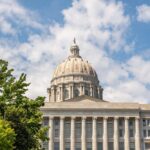
On accountability, Missouri is moving in the right direction. Following Governor Kehoe’s January 2026 executive order, the Missouri Department of Elementary and Secondary Education (DESE) will soon publish simple, easy-to-understand letter grades for schools and districts based on student outcomes. For the first time, Missourians will receive clearly communicated information about objective academic performance in our schools. We can do more, but these report cards are a critical first step toward a robust system of school accountability.
Missouri is in worse shape when it comes to literacy policy. We do not administer a common statewide literacy assessment, we have no clear literacy standard for promotion into the fourth grade, and we continue to allow teacher preparation programs that promote ineffective reading instruction to certify teachers to work in Missouri schools. Meaningful reforms to address these shortcomings gained considerable momentum with lawmakers during the 2026 legislative session, but ultimately fell short.
Missouri is making meaningful progress on school accountability. Now we need to bring that same commitment to literacy policy. I’ll be making the case for these reforms again in 2027.