TIF-for-Tat in Kansas City

Corporate Welfare |

Economic development subsidies do not generate a return on public investment worthy of the cost to taxpayers. This fact has been confirmed by study after study after study, despite an unconvincing effort in Kansas City to suggest otherwise.

We wondered why—in the face of widespread evidence that it doesn’t work—the practice of handing out economic development subsidies remains so common, and in fact is becoming more common. In particular, we wondered if the subsidies could be explained by political campaign contributions.

In researching this essay we observed that in general, political giving increases in the election cycle leading up to a TIF application and then decreases in the cycle after the TIF is approved. To learn more, click below to read the entire essay, or watch a short video here.
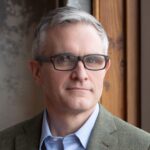

Patrick Tuohey

About the Author

Patrick Tuohey is a senior fellow at the Show-Me Institute and co-founder and policy director of the Better Cities Project. Both organizations aim to deliver the best in public policy research from around the country to local leaders, communities and voters. He works to foster understanding of the consequences — often unintended — of policies regarding economic development, taxation, education, policing, and transportation. In 2021, Patrick served as a fellow of the Robert J. Dole Institute of Politics at the University of Kansas. He is currently a visiting fellow at the Yorktown Foundation for Public Policy in Virginia and also a regular opinion columnist for The Kansas City Star. Previously, Patrick served as the director of municipal policy at the Show-Me Institute. Patrick’s essays have been published widely in print and online including in newspapers around the country, The Hill, and Reason Magazine. His essays on economic development, education, and policing have been published in the three most recent editions of the Greater Kansas City Urban League’s “State of Black Kansas City.” Patrick’s work on the intersection of those topics spurred parents and activists to oppose economic development incentive projects where they are not needed and was a contributing factor in the KCPT documentary, “Our Divided City” about crime, urban blight, and public policy in Kansas City. Patrick received a bachelor’s degree from Boston College in 1993.
Elias Tsapelas

About the Author

Elias Tsapelas earned his Master of Arts in Economics from the University of Missouri in 2016. Before joining the Show-Me Institute, he worked for the State of Missouri's Department of Economic Development and Office of Administration, Division of Budget & Planning. His research interests include economic development, health policy, and budget-related issues.

About the Author

Scott Tuttle is a policy intern at the Show Me Institute. After finishing his BS in 2007 at Missouri State University, he served in the U.S. Peace Corps for two years in Niger, West Africa as an environmental resources specialist and also lived in Mexico for two years where he worked as an English teacher. He earned a Masters degree in rural sociology from the University of Missouri in 2012 and is currently pursuing a PhD in sociology at the University of Kansas. His main research interests are ethnic markets and immigrant entrepreneurship.

Similar Publications

Support Us

The work of the Show-Me Institute would not be possible without the generous support of people who are inspired by the vision of liberty and free enterprise. We hope you will join our efforts and become a Show-Me Institute sponsor.

Donate
Man on Horse Charging